Garden Design and Build in Yeading
Beautiful outdoor spaces, built for everyday life in Yeading

If you are looking for garden design and build in Yeading, you may already know that a good garden needs to do more than just look attractive. It should suit the way you live, make the most of the space you have, and work well through every season. In Yeading, that often means creating practical gardens for family homes, compact rear plots, side returns, new-build spaces, and commercial outdoor areas that need to stay tidy, safe, and easy to maintain.
A well-planned garden can transform the feel of a property. It can make a small terrace seem larger, turn an overlooked lawn into a place for relaxing and entertaining, or give a business entrance a cleaner, more welcoming appearance. The right design and build approach brings together layout, materials, planting, drainage, and long-term usability so that the finished space feels considered rather than improvised.
Local knowledge matters when you are planning outdoor work in Yeading. Access can be tight in some streets, parking may be limited, and many properties have boundaries, levels, or awkward corners that need careful treatment. A local team understands these practical issues and can design around them from the start, helping avoid unnecessary disruption and ensuring the finished result fits the property properly.
What garden design and build means for Yeading properties
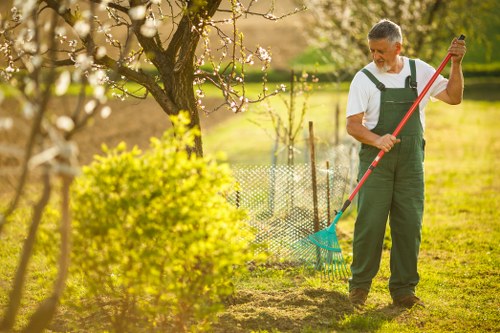
Garden design and build is a joined-up service that covers both the creative planning stage and the physical construction stage. Rather than hiring one company for ideas and another for installation, you get a service that considers the entire project from the outset. That means the design is created with the build in mind, and the build is carried out with the original vision in view.
In Yeading, this service is especially useful because properties vary widely. You may have a post-war semi, a modern house, a flat with limited outside space, or a commercial site with practical landscaping needs. Each setting calls for a slightly different approach. A well-designed garden might prioritise storage, seating, child-friendly surfaces, low-maintenance planting, or a stronger visual structure to suit a neat suburban street.
Good garden work is never just about adding features. It is about making the space work better. That may include creating better access through the garden, improving privacy, introducing planters, managing water runoff, or using paving and borders to define zones. When design and build are handled together, the result is usually more coherent, more durable, and easier to enjoy day to day.
Typical goals for local customers
People in Yeading often come to garden design and build services with clear but practical goals, such as:
- Making a tired garden feel usable again
- Reducing the amount of mowing and general upkeep
- Creating a safer play area for children
- Adding a patio or seating area for social use
- Improving the look of the home from the rear or side
- Upgrading the frontage of a commercial property
- Solving drainage or water pooling issues
- Introducing planting that suits sun, shade, or low-maintenance needs
Why a local Yeading team can make a real difference

Choosing a local team for garden design and build in Yeading offers practical advantages that matter to real customers. Local crews are more likely to understand the layout of streets, the mix of housing, and the common access challenges around the area. That can make planning smoother, especially where materials need to be brought through narrow side passages, shared access points, or driveways with limited clearance.
Local experience can also help when it comes to choosing the right materials and finishes. In a busy residential area, many homeowners want a garden that looks smart without requiring constant attention. In commercial settings, durability and presentation may be more important than decorative detail alone. A nearby team can suggest solutions that suit local conditions, common usage patterns, and the style of the property itself.
Another advantage is flexibility. When you are dealing with a local company, it is often easier to arrange site visits, discuss design changes, and plan build stages around your schedule. That can be valuable if you are working around school runs, business hours, shift patterns, or other commitments. Clear communication and practical planning are often what make a project feel manageable from start to finish.
Local settings where this service is often requested
Garden design and build services are commonly needed for homes and properties near and around Yeading, including:
- Family houses with rear gardens that need a fresh layout
- Terraced homes with narrow or stepped outdoor spaces
- Newer properties where the garden is still basic or unfinished
- Flats and maisonettes with shared or compact external areas
- Shops, offices, warehouses, and hospitality premises needing better outdoor presentation
- Rental properties where durability and low upkeep are important
What can be included in a garden design and build project?

A garden project can be tailored in many different ways depending on the space, budget, and desired style. Some customers want a full transformation from top to bottom, while others only need part of the garden redesigned and rebuilt. The service can be shaped to match those needs without overcomplicating the project.
Common elements may include patio areas, pathways, new lawns, raised beds, sleeper borders, fencing, trellis, planting schemes, pergolas, lighting, storage areas, gravel features, and decorative edging. In some gardens, the most important work is structural, such as regrading uneven ground, improving drainage, or replacing worn surfaces. In others, the focus may be on creating a layered and inviting layout that makes the space feel larger and more balanced.
For many Yeading customers, the best projects are those that combine style with everyday function. A paved area for outdoor dining, a child-safe lawn, robust boundary treatment, and planting that gives year-round structure can all work together. The aim is to create a garden that not only looks good in the first week after completion, but continues to serve the household well for years.
Examples of practical features
Depending on your property and preferences, your project may include:
- Hard landscaping such as paving, pathways, steps, and retaining edges
- Soft landscaping including turf, plants, shrubs, and soil preparation
- Water management measures to help reduce puddling and poor runoff
- Boundary improvements like fencing or screening for privacy
- Functional zones for eating, relaxing, storage, or play
- Low-maintenance choices for busy households or commercial premises
How the process usually works
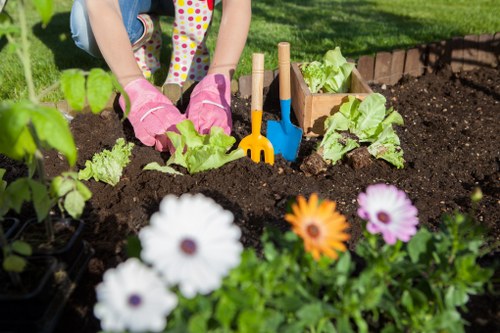
A clear process helps reduce stress and keeps the project moving in the right direction. While every garden is different, most garden design and build work follows a sensible sequence so that nothing important is missed. The early stage is about understanding the site, the way you want to use it, and the look you would like to achieve.
After that, the design is developed into a practical layout. This may involve deciding where seating should go, how to manage levels, which materials suit the house, and how to make the garden easy to navigate. Once the plan is agreed, the build stage begins. Depending on the scale of the job, that can include clearing the area, preparing the base, constructing hard landscaping elements, and then adding planting or finishing touches.
For local customers, a sensible process is often just as important as the final appearance. Good planning helps keep the site tidy, avoids unnecessary delays, and makes sure the work stays aligned with the agreed outcome. It also gives you a clearer picture of how the completed garden will function once the installation is finished.
Typical project stages
A standard project may involve the following steps:
- Initial discussion about goals, style, and intended use
- Site assessment, including access, levels, drainage, and existing features
- Design ideas or layout suggestions based on the space
- Selection of materials and planting approach
- Preparation of the garden area and removal of old features if needed
- Construction and installation work
- Final detailing, tidying, and checks to ensure the garden is ready to use
Design ideas that work well in Yeading
Because Yeading includes a mix of residential streets, local businesses, and properties with different plot sizes, the best designs are often those that respond to the setting rather than imposing a one-size-fits-all layout. A smart design should respect the property’s character while also improving how the space functions in everyday use.
For smaller gardens, clean geometry, light-coloured paving, raised planters, and simple planting can create a more open feel. For larger spaces, it may make sense to divide the garden into zones: one for dining, one for lawn or planting, and one for storage or utility. If privacy is a concern, screening, layered planting, and well-placed boundary features can help without making the garden feel enclosed.
Style should support use. A beautiful garden is valuable, but a beautiful garden that is difficult to maintain or awkward to move around quickly becomes frustrating. Good design gives equal weight to appearance, usability, maintenance, and long-term value.
Popular approaches for local homes
- Contemporary low-maintenance gardens with clean lines and durable materials
- Family-friendly gardens with open lawn, safe edges, and flexible seating
- Traditional garden layouts with borders, paths, and established planting
- Courtyard-style spaces that make the most of limited room
- Entertaining gardens built around patios, lighting, and practical circulation
Materials and planting choices that suit the area
The materials and planting used in a garden can have a major impact on how it looks and how much attention it needs later. In Yeading, many customers want surfaces that stay presentable despite regular use and changing weather. Choosing the right paving, edging, aggregate, timber, and planting scheme can make the difference between a garden that feels finished and one that quickly starts to look tired.
Hardwearing paving is often chosen for patios and paths because it provides structure and easy movement. Gravel can work well in side areas or low-traffic spaces where drainage and texture matter. Timber, composite, or sleeper-style features may be used to define levels, create borders, or support planting beds. The best choice depends on the character of the home and the level of upkeep you are happy to take on.
Planting should also be chosen with the site in mind. Sunny gardens may suit ornamental grasses, flowering perennials, and shrubs that bring seasonal interest. Shadier spaces may need more shade-tolerant planting and careful soil preparation. For busy owners, it often helps to use robust, low-maintenance planting rather than high-care displays that require frequent pruning and watering. Thoughtful planting is not an afterthought; it is a major part of the finished result.
Practical considerations before work begins
Before any building starts, it is sensible to think about:
- How you want to use the garden throughout the year
- Where the sun falls at different times of day
- Whether privacy is a priority
- How much maintenance you want to take on
- Any drainage issues or standing water concerns
- How garden access works through the house or side passage
- Where bins, bikes, tools, or storage items will be kept
Dealing with access, parking, and site conditions
One of the reasons local knowledge is so valuable in Yeading is that access and parking can affect how smoothly a project runs. Some gardens are easy to reach, but others need materials moved through tight side access, rear lanes, or limited front driveways. That can influence how the work is staged, what equipment is used, and how materials are delivered and stored on site.
Good planning helps reduce disruption for both the household and nearby neighbours. It also helps ensure that heavy materials are handled safely and efficiently. If an area has uneven ground, existing brickwork, mature roots, or awkward changes in level, these issues should be considered early so the build can be adapted to the site rather than forced into a standard shape.
Drainage is another important factor. Gardens in built-up areas can struggle with water runoff, especially if old surfaces have been removed or the ground has been compacted over time. A careful design and build approach can include sensible falls, permeable materials, or other methods that help the area stay usable after rain. This is one of the clearest reasons to choose a team that understands local conditions.
What makes a garden project good value?
Good value does not necessarily mean the lowest quote. It means the work has been planned properly, the materials suit the property, and the result lasts well enough to justify the investment. A thoughtfully designed garden can add comfort, reduce maintenance effort, and make the whole property feel more complete.
When comparing options, it helps to look at what is actually included. Some projects focus only on visible finishes, while others cover the groundwork that supports the whole installation. If the preparation is poor, the garden may not stay level, stable, or attractive for long. It is often better to invest in a well-built base and practical layout than to cut corners on the parts you will live with every day.
For many customers, value also means convenience. A single team that handles both design and build can save time and make decision-making easier. You have one point of responsibility for the overall project, which helps keep the vision consistent from the first conversation to the last detail.
Pricing factors to consider
Every site is different, but typical factors that affect project cost include:
- Garden size and layout complexity
- Condition of existing features and the amount of removal work required
- Type and amount of paving, timber, or other materials
- Drainage requirements and ground preparation
- Access for tools, deliveries, and waste removal
- Planting scope and the level of finish required
- Whether the project is a small improvement or a full redesign and rebuild
Residential and commercial garden services in Yeading
Although many people think first of back gardens and front gardens, garden design and build work can also support businesses and other commercial premises in Yeading. A neat outdoor area can improve first impressions, help define entrances, and keep maintenance under control. In some settings, a tidy landscaped area is part of the daily presentation of the property, so durability and ease of upkeep are especially important.
Residential customers often want gardens that support family life, relaxation, and social use. Commercial customers may need a more restrained design that stays smart through frequent use and changing seasons. The right solution depends on whether the space is expected to welcome visitors, provide a safe access route, screen service areas, or simply make the property look more professional.
Whether the project is domestic or commercial, the same principles apply: the garden should be practical, attractive, and built with care. A local team can adapt the approach so that the finished space serves the property rather than forcing the property to adapt to the garden.
Preparation checklist for homeowners and property managers
If you are planning garden design and build work in Yeading, a little preparation can make the process smoother. You do not need to have every detail worked out before speaking with a professional, but it helps to think about the priorities you want the space to meet.
Before the work begins, consider what currently works and what does not. Are there any wet patches, tired areas, poor paths, or underused corners? Do you need space for children, pets, dining, or storage? Are you looking for a complete redesign or improvements to one part of the garden? The clearer your aims, the easier it becomes to shape a practical plan.
It is also helpful to consider access arrangements, especially if materials will need to pass through the house or a side entrance. If parking is limited on your road, it may help to discuss this in advance so the work can be organised sensibly. A thoughtful approach at the start often saves time later.
Before the first visit, you may want to:
- Make a note of what you want the garden to be used for
- Take photos of areas you would like improved
- Decide whether you want low maintenance or more planting
- Identify any drainage, shade, or privacy issues
- Check where access is easiest for workers and materials
- Think about any existing features you want to keep
Frequently asked questions
Do I need a full redesign, or can I improve part of the garden?
You do not need to commit to a full transformation. Many customers choose to improve one section first, such as a patio, boundary, path, or planting area, and then develop the rest later.
Can the design be low maintenance?
Yes. A large number of Yeading customers ask for low-maintenance garden design and build solutions. That may include durable paving, simple borders, robust planting, and layouts that reduce ongoing work.
What if my garden is small or awkwardly shaped?
Small or unusual spaces often benefit most from professional planning. Careful layout, the right materials, and smart use of levels can make a compact garden feel much more usable.
Can you help with drainage problems?
Garden design and build projects often include drainage considerations, especially where the ground is uneven or water tends to collect. The best solution depends on the site and the finished layout.
Is this service suitable for rental properties or commercial sites?
Yes. Many landlords and business owners need outdoor spaces that are tidy, resilient, and easy to manage. A practical design can help reduce maintenance and improve presentation.
How do I know what style will suit my home?
The style should reflect the building, the garden size, and how you plan to use the space. A local design approach can help you choose a finish that feels natural for the property rather than out of place.
Why book garden design and build in Yeading now?
If your outdoor space is underused, difficult to maintain, or simply not pleasant to spend time in, there is real value in improving it sooner rather than later. A well-planned garden can make everyday life feel easier and more enjoyable, whether you want a better place for family time, a cleaner setting for guests, or a more professional look for your business.
Starting with a local design and build team gives you the chance to discuss practical options that suit your property and your budget. You can explore layout ideas, materials, and features that fit your goals without committing to unnecessary extras. The result should be a garden that feels intentional, useful, and built to last.
Contact us today to discuss your ideas, request a free quote, or book your service now. If you are ready to improve your outdoor space, a tailored garden design and build in Yeading service can help turn an overlooked area into one you are genuinely proud to use.
Areas commonly covered
Projects in and around Yeading may also serve nearby parts of west London and surrounding neighbourhoods, including homes and businesses in neighbouring local areas. If you are unsure whether your property is within reach, it is worth asking when you enquire.
From compact urban gardens to larger family plots and practical commercial spaces, the right design and build service can make a lasting difference.