Landscaping Yeading: Creating Attractive, Practical Outdoor Spaces for Every Property
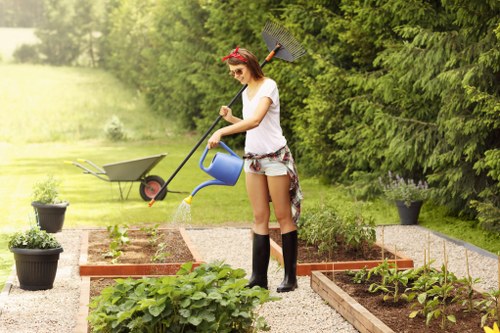 Landscaping Yeading is about more than making a garden look neat. It is about shaping outdoor space so that it feels welcoming, works well throughout the year, and suits the character of the property. In a place like Yeading, where homes, driveways, front gardens, rear gardens, and shared outdoor areas all play an important part in everyday life, thoughtful landscaping can transform the way a property looks and functions. A well-planned outdoor area can create a calm retreat, a family-friendly space, or a low-maintenance setting that still feels polished and attractive.
When people think about landscaping in Yeading, they often imagine planting flowers or laying turf. In reality, it can involve much more. Hard landscaping, soft planting, paving, fencing, edging, drainage, lighting, and seasonal maintenance all contribute to the final result. The best outdoor spaces are rarely accidental. They are designed with a clear purpose, careful balance, and a strong understanding of how the land, soil, sunlight, and usage patterns affect the garden.
Yeading has a mix of property types and outdoor spaces, which makes local landscaping especially interesting. Some gardens are compact and need clever planning to make the most of every square metre. Others are larger and offer room for zones, features, and layered planting. 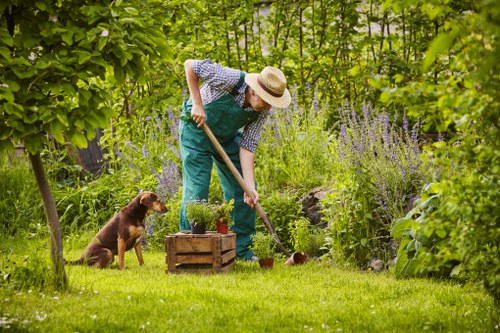 Whatever the size, the principles remain the same: create structure, improve usability, and bring visual harmony. Good landscaping in Yeading respects the needs of the homeowner while enhancing the surrounding environment.
The Value of Well-Planned Outdoor Design
Outdoor design is one of the most effective ways to improve a property without changing the building itself. A carefully landscaped garden can make a home feel larger, brighter, and more inviting. It can also increase enjoyment of the space, whether that means relaxing with a morning coffee, entertaining friends, or giving children a safe area to play. For many households, the garden becomes an extension of the living area rather than a separate space at the back of the house.
Landscaping Yeading often begins with understanding how the space will be used. Some people want a lawn that is soft and open, while others prefer paved surfaces, raised beds, or gravel sections that require less upkeep. A strong design takes into account pathways, seating areas, privacy, storage, and views from inside the home. It also considers how sunlight moves across the garden and where water collects after rain. Those details may seem small, but they shape the success of the whole design.
The best gardens feel natural and balanced rather than crowded. That does not mean they have to be simple. They can include contrast, texture, and personality through plant choice, stonework, timber features, and layered heights. The aim is to create a landscape that feels intentional and appealing across all seasons, not just during the summer months. In Yeading, where weather conditions and daily use can affect how outdoor areas age, this practical approach is especially important.
Designing for Modern Lifestyles in Yeading
Modern homeowners often want gardens that support busy routines. That might mean low-maintenance planting, robust paving, or smart storage solutions that keep the area tidy. Landscaping Yeading properties with this in mind can result in an outdoor space that looks good without demanding constant attention. For many families, this is a major benefit, since a beautiful garden should be enjoyable rather than stressful to maintain.
Different lifestyles lead to different landscape priorities. A family with young children may want safe, open space and durable surfaces. Someone who enjoys gardening may value planting beds, borders, and space for seasonal colour. Another homeowner may prefer a sleek, contemporary layout with clean lines, structured shrubs, and simple materials. There is no single right answer; the most successful projects are tailored to the needs of the people who will use them most.
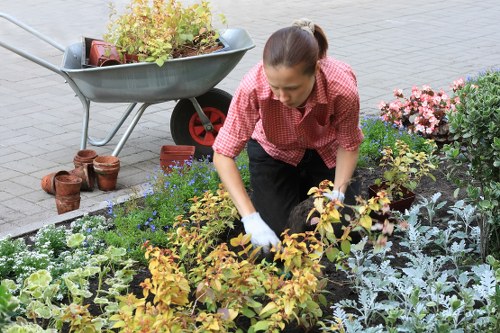 A key part of landscape planning is the relationship between hard and soft features. Hard landscaping includes paved areas, retaining walls, steps, paths, and edging. Soft landscaping includes plants, grass, trees, hedges, and soil-based elements. Both are essential. Too much hard landscaping can make a garden feel rigid, while too much planting without structure may make it difficult to navigate or maintain. A balanced design combines the two in a way that feels cohesive and useful.
Hard Landscaping That Adds Structure and Durability
Hard landscaping is the foundation of many outdoor projects. It creates the shape, access, and functional zones that define the space. In Yeading, where gardens may need to handle regular foot traffic, weather changes, and everyday family use, durable hard landscaping is especially valuable. Paving, for example, can create a practical patio for dining or relaxation. Well-laid paths improve movement around the garden, while retaining walls and raised beds can help manage slopes and introduce visual layers.
Quality materials matter. Stone, brick, concrete paving, timber, and composite products all offer different looks and performance levels. The right choice depends on the property style, budget, and intended use. A contemporary home may suit smooth slabs or minimalist edging, while a more traditional property may look best with natural stone or classic brickwork. Landscaping in Yeading often benefits from materials that are both attractive and resilient, since outdoor surfaces need to remain safe and presentable over time.
Drainage is another essential part of hard landscaping. Poor drainage can lead to puddles, muddy patches, and damage to paved areas. Thoughtful groundwork helps prevent these issues by ensuring that water moves away from structures and does not collect in unwanted places. This practical element is often overlooked, yet it can determine whether a landscaped garden remains enjoyable in the long term. Durable construction and proper preparation are what make a landscape stand the test of time.
Soft Landscaping and the Power of Plants
Plants bring movement, colour, scent, and life to a garden. Soft landscaping is what gives a space its seasonal character and emotional appeal. In Landscaping Yeading, plant selection can be adapted to suit local conditions, including sun exposure, shade, and soil type. A thoughtful planting scheme can create privacy, soften hard edges, and introduce year-round interest through flowers, foliage, berries, and structure.
One of the most effective approaches is to use layers. Taller shrubs or small trees can form the backdrop, mid-height plants can fill the middle ground, and lower-growing perennials or ground cover can finish the bed. This layered style adds depth and helps the garden feel complete. It also supports biodiversity by offering food and shelter for birds, bees, and other beneficial wildlife. Many people now want outdoor spaces that are not just beautiful but also environmentally considerate.
Seasonal variation is part of what makes planting so rewarding. Spring bulbs, summer blooms, autumn colour, and winter texture all contribute something different. Even in a compact Yeading garden, careful plant selection can create interest throughout the year. Evergreen shrubs provide structure during colder months, while flowering plants offer bursts of colour when conditions are favourable. The result is a landscape that changes naturally and keeps the garden visually engaging.
Front Gardens, Rear Gardens, and Shared Spaces
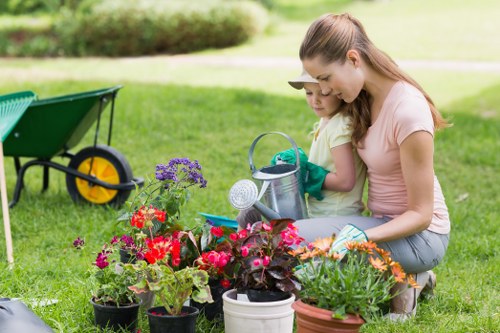 Each part of a property serves a different purpose, so landscaping should respond accordingly. Front gardens are often about presentation, access, and first impressions. A neat layout, balanced planting, and clear pathways can make the entrance feel welcoming and well cared for. In Yeading, a front garden can also improve the overall street appearance, adding value not just to one home but to the local neighbourhood atmosphere as a whole.
Rear gardens tend to have a more private and flexible role. They may be used for family activities, entertaining, gardening, or quiet relaxation. Because of this, they often benefit from separate zones. A patio near the house can serve as an outdoor dining area, while a lawn or planting area can sit further back. Screens, hedges, or pergolas can help divide the space without making it feel small. This zoning approach is one of the most useful techniques in landscaping Yeading homes with diverse needs.
Shared outdoor spaces, such as communal entrances or side passages, need a different kind of attention. These areas should be practical, tidy, and easy to navigate. Good surface choices, sensible planting, and clear boundaries help these spaces function smoothly. Even simple improvements can make a big difference, especially when the goal is to create a positive and well-maintained environment for multiple users. The combination of utility and appearance is what gives landscaping real lasting value.
Creating Low-Maintenance Gardens Without Losing Character
Many homeowners are looking for gardens that are easier to manage. Low-maintenance does not mean plain or lifeless. It means choosing materials and plants that reduce unnecessary work while still offering beauty and structure. In Yeading, where busy schedules are common, this can be an especially appealing approach. Smart landscaping can reduce mowing, limit weeding, and lower watering demands without sacrificing design quality.
Gravel areas, paved seating zones, artificial turf, evergreen planting, and mulched borders can all help simplify maintenance. Raised beds can also make care easier by improving access and keeping plants organised. The key is to avoid overcomplication. A design that is too elaborate may look impressive at first but become difficult to sustain. A simpler, stronger layout often performs better over time and continues to feel fresh with far less effort.
It is also worth remembering that low-maintenance landscapes still need some attention. Even the most practical garden will benefit from occasional pruning, cleaning, and seasonal checks. However, a well-designed layout can minimise the time spent on upkeep and make those tasks more manageable. For many people, that balance is ideal: a space that looks attractive, works well, and does not create pressure.
Good landscaping also improves the experience of moving through a garden. Pathways, steps, and transitions between areas help guide the eye and the feet. If these elements are carefully placed, the garden feels easy to understand and pleasant to use. This sense of flow is important in smaller spaces especially, where every section must contribute to the overall design. In larger gardens, it helps create structure and prevents the layout from feeling empty or disconnected. Landscaping Yeading is often most successful when the garden feels like a series of connected moments rather than one undivided area.
Lighting can play a subtle but important role in this process. While it is often associated with security, outdoor lighting also enhances mood and usability. Soft illumination along a path, near a seating area, or around a planted border can make the garden feel inviting after dark. It highlights textures, supports outdoor use in the evening, and adds another layer to the landscape design. When combined with planting and hard surfaces, lighting can dramatically change the atmosphere of a space.
Texture is another design element that should never be ignored. Smooth paving, rough stone, glossy leaves, feathery grasses, and structured hedges all contribute different sensations. A well-designed landscape uses these contrasts to build interest without clutter. The result is a garden that feels rich and layered.  This is one reason landscaping Yeading properties can be so rewarding: even modest spaces can become memorable when texture, scale, and proportion are handled well.
Why Local Understanding Matters
Every area has its own character, and local understanding matters when shaping outdoor spaces. In Yeading, this includes awareness of property styles, garden sizes, day-to-day use, and the expectations people often have for practical residential landscaping. A design that works beautifully in one setting may need adjustment in another. That is why the most effective landscaping takes into account not only visual preferences but also how the outdoor area fits into the wider home and neighbourhood context.
Local conditions also influence material and planting decisions. Soil quality, drainage behaviour, sunlight exposure, and exposure to wind can all affect how a garden performs. Choosing elements that suit the environment helps reduce long-term problems and supports a healthier, more reliable landscape. For this reason, landscaping in Yeading is rarely just about appearance. It is a thoughtful combination of aesthetics, practicality, and environmental awareness.
When design and function work together, the garden becomes more than a patch of land. It becomes a living part of the home. It can improve daily routines, support relaxation, and make the property feel more complete. Whether the aim is a vibrant family garden, a calm retreat, or a crisp and modern layout, the right landscaping can deliver lasting benefits.
Long-Term Benefits of Quality Landscaping
Investing in a well-designed outdoor space can offer rewards for many years. A garden that is built with care tends to age more gracefully, remain easier to maintain, and continue providing value as needs change. Children grow, routines shift, and tastes evolve, but a flexible landscape can adapt without needing a complete redesign. This is one of the reasons people place so much importance on planning from the start.
There are also wider lifestyle benefits. Outdoor spaces encourage time outside, which can support wellbeing and create opportunities for rest, exercise, and socialising. A pleasant garden can make the home feel more spacious and more personal. It can also provide a sense of order and calm that is difficult to achieve with indoor improvements alone. In this sense, landscaping Yeading homes is not only a design choice but also an investment in comfort and daily life.
Ultimately, the most successful outdoor spaces are the ones that feel right to the people who use them. They are attractive without being overdesigned, practical without feeling plain, and durable without losing charm. That balance is the essence of quality landscaping. In Yeading, where homes and gardens vary widely, the opportunity to create something distinctive is especially strong. With the right approach, any outdoor space can become more functional, more beautiful, and more enjoyable throughout the year.